

Phase One Orthodontics for Early Smile Development in CITY* STATE* at CLINIC NAME*
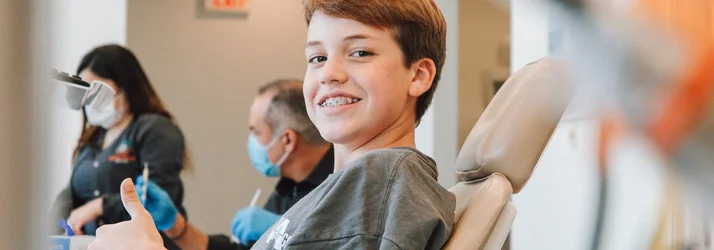
The orthodontic practice at CLINIC NAME* in CITY*, STATE* provides specialized treatment to correct alignment and developmental issues during key growth stages. The practice under the direction of FULL NAME* focuses on early evaluation to monitor and guide dental and jaw development throughout childhood.
What Is Phase One Orthodontics?
Phase One Orthodontics is an interceptive treatment designed for children whose teeth and jaws are still developing. It is typically performed while a child has a mix of baby and permanent teeth. The treatment process corrects major orthodontic problems and requires specific guidance to establish effective jaw development and enable new teeth to erupt properly.
FULL NAME* evaluates each child to determine if early treatment is needed. The doctor recommends Phase One Orthodontics for some children; those eligible should begin treatment without delay to prevent future complications. The method enables better results by correcting issues early, reducing the need for extensive treatments during the teenage and adult periods.
Importance of Early Orthodontic Intervention
Early orthodontic treatment is most effective because a child's jaw is still developing. During this stage, the bones are more flexible, allowing orthodontists to guide growth more efficiently and achieve better long-term results.
Phase One Orthodontics offers several important benefits:
- Treats developing issues before they become more severe
- Supports proper jaw alignment and healthy growth patterns
- Creates space for permanent teeth to erupt correctly
- Reduces the risk of crowding and misalignment
- May eliminate the need for extractions or surgical treatment
- Promotes long-term oral health and stability
Common Conditions Treated in Phase One
The doctor recommends Phase One Orthodontics for children with specific dental problems that require immediate treatment. These conditions can affect both jaw function and tooth alignment, impacting overall oral development.
Common issues addressed include:
- Crossbites, which occur when upper and lower teeth do not align properly
- Underbites, which occur when the lower jaw extends beyond the upper jaw
- The presence of severe overbites that disrupt normal biting functions
- Jaw growth discrepancies that result in changes to facial appearance
- Crowding occurs when teeth lack adequate space to fit properly.
- Excessive spacing exists between the teeth in question.
- The front teeth position themselves at an unusual angle.
- Problems caused by habits such as thumb sucking
Causes of Early Orthodontic Issues
Children can develop orthodontic problems for various reasons. Understanding these causes helps develop treatment plans that prevent future complications.
The following factors serve as the primary causes:
- Genetic factors that decide how jaw sizes develop and which tooth positions will occur
- The premature or delayed loss of baby teeth
- The development of oral habits, which include thumb sucking and the extended usage of pacifiers
- Injuries that affect tooth or jaw development
- Breathing patterns that directly impact the growth of the jaw
Types of Appliances Used in Phase One
The Phase One Orthodontics treatment process uses special dental devices that help develop dental growth patterns while fixing initial dental alignment problems. The selection of an appliance will be determined by the child's particular requirements.
Palatal Expanders
Palatal expanders are used to widen the upper jaw and create space for proper tooth alignment. The device creates a new space that enables permanent teeth to develop while addressing dental problems like crossbites.
Partial Braces
Partial braces become necessary when dental professionals need to align certain teeth that require specific treatment. Braces offer minor solutions to solve dental crowding and spacing problems during early growth periods.
Space Maintainers
Space maintainers hold space for permanent teeth when baby teeth are lost too early. The device maintains the space needed for permanent teeth to grow into their correct positions.
Functional Appliances
Functional appliances help guide jaw growth while improving the alignment between the upper and lower jaws. Bite correction is possible with these devices, which help address major alignment issues.
The doctor named FULL NAME* chooses the best appliance for the child by assessing their current medical state and upcoming treatment objectives.
Transition to Phase Two Treatment
The monitoring phase begins for children after they complete Phase One Orthodontics, as their permanent teeth continue to grow. The orthodontist uses this time to examine the progress of both dental and facial development. Orthodontic treatment enters Phase Two after all permanent teeth have emerged. This phase focuses on moving teeth into their final positions using braces or other appliances.
Children who undergo Phase One treatment will experience shorter, simpler Phase Two treatment, with reduced need for extractions and improved overall treatment outcomes. The doctors at FULL NAME* track patient progress to determine the optimal time for their transition to Phase Two treatment.
Benefits of Phase One Orthodontics
Phase One Orthodontics offers several advantages beyond its ability to correct dental problems at an early stage. This treatment maintains both oral health and dental function by addressing problems at a critical developmental stage.
Key benefits include:
- Improved jaw alignment and growth
- Reduced risk of severe orthodontic issues
- Better positioning for permanent teeth
- Lower risk of dental injuries (especially protruding teeth)
- Easier maintenance of oral hygiene
- Reduced need for surgery or complex procedures
Oral Hygiene During Treatment
Patients must maintain proper oral hygiene throughout their Phase One Orthodontics treatment. Orthodontic appliances can trap plaque and food particles, making thorough cleaning essential.
Parents and patients should adhere to these established guidelines:
- Brush teeth twice daily, focusing on the appliance area.
- Use mouthwash to reduce mouth bacteria.
- Clean removable devices regularly.
Financial Considerations
CLINIC NAME* understands that every family has unique financial needs. To help accommodate these needs, we offer various payment options for orthodontic treatment.
Our accepted payment methods include American Express, Visa, MasterCard, Discover, cash, and checks.
Our team is dedicated to helping families understand their insurance benefits and find payment options that suit their financial situation.
Schedule a Consultation
The Phase One Orthodontics program at CLINIC NAME* in CITY*, STATE* provides orthodontic treatment for children who need early dental care. Early evaluation is essential for identifying potential dental problems and selecting the most suitable treatment.
Schedule your consultation today by calling (000) 000-0000.
Contact Information
CLINIC NAME*
ADDRESS*
Phone: (000) 000-0000

OFFICE HOURS
Monday
9:00am - 5:00pm
Tuesday
9:00am - 5:00pm
Wednesday
Closed
Thursday
9:00am - 5:00pm
Friday
9:00am - 2:00pm
Saturday & Sunday
Closed

CLINIC NAME*
ADDRESS*
CITY*, STATE* ZIP*